

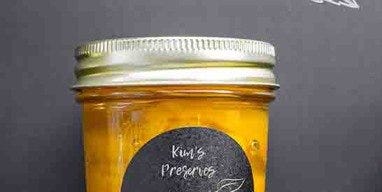
Peanut Butter Jars
If your company sells peanut butter or other nut butter products, BottleStore.com has the containers and closures you’re looking for. Whether you run a small business that sells artisan peanut butter at farmers’ markets or you own a large operation that mass-produces peanut butter in bulk for grocery stores and restaurants, we can help you find the ideal packages for your products.
-

-
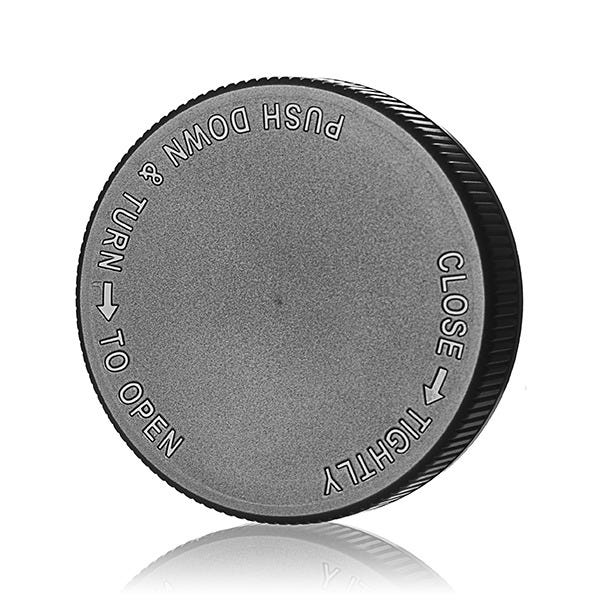
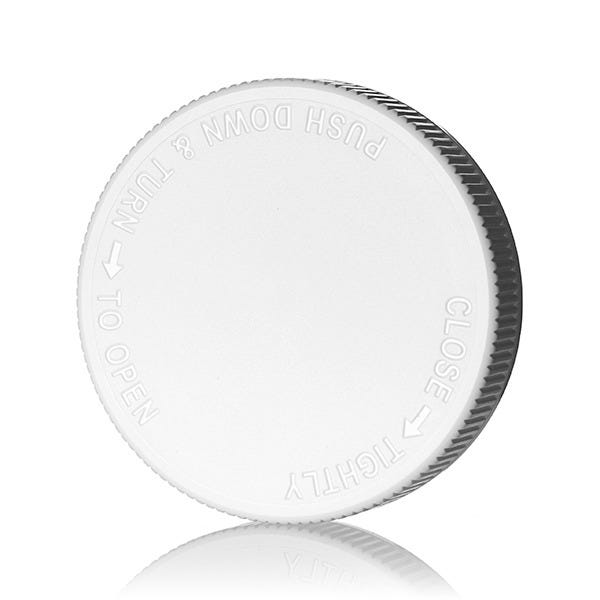
 8oz (240ml) Flint Straight-Sided Round Cream Glass Jar (24 Pack) - 70-405 NeckRating:100%CLOSURE OPTIONS




-
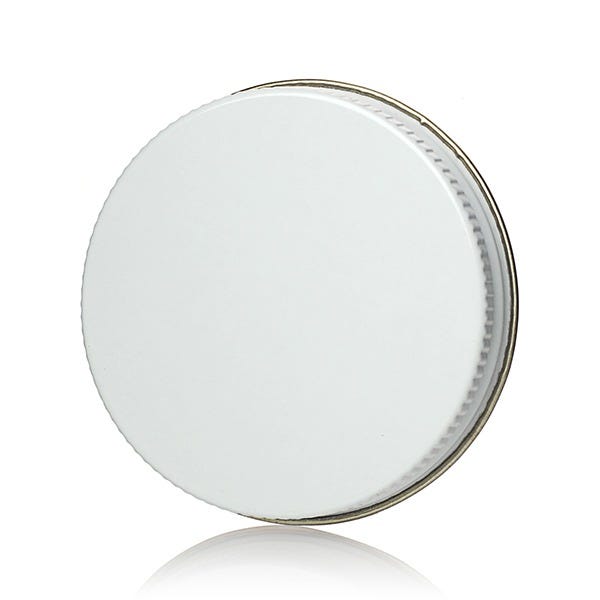
 8oz (240ml) Flint (Clear) Economy Round Glass Jar (12-Pack) - 58-400 NeckRating:93%CLOSURE OPTIONS
-
 16oz (480ml) Flint (Clear) Economy Round Glass Jar - 63-405 NeckCLOSURE OPTIONS

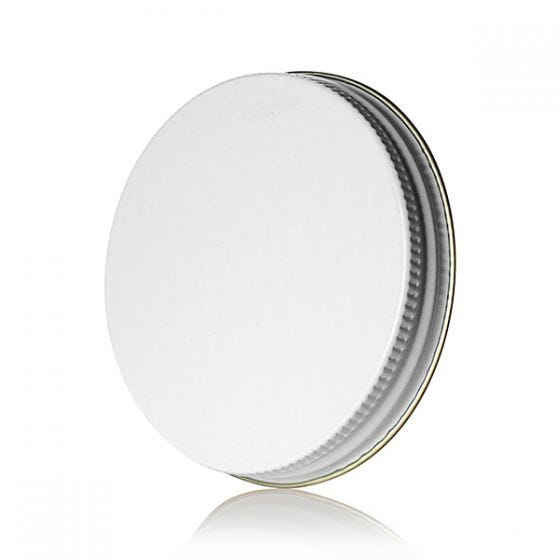
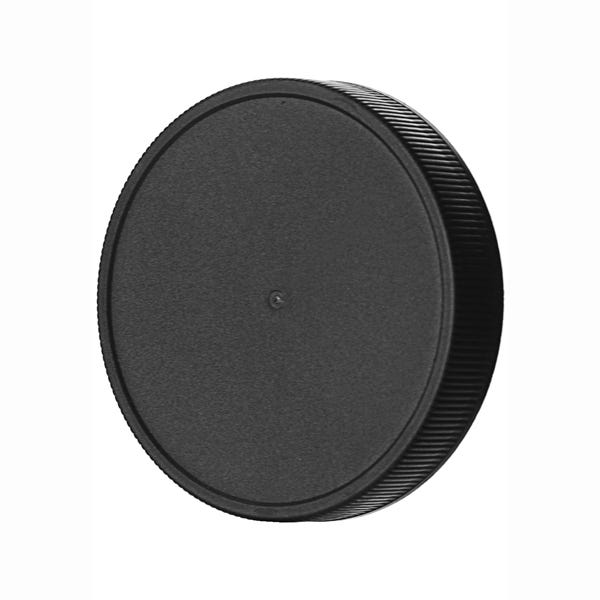
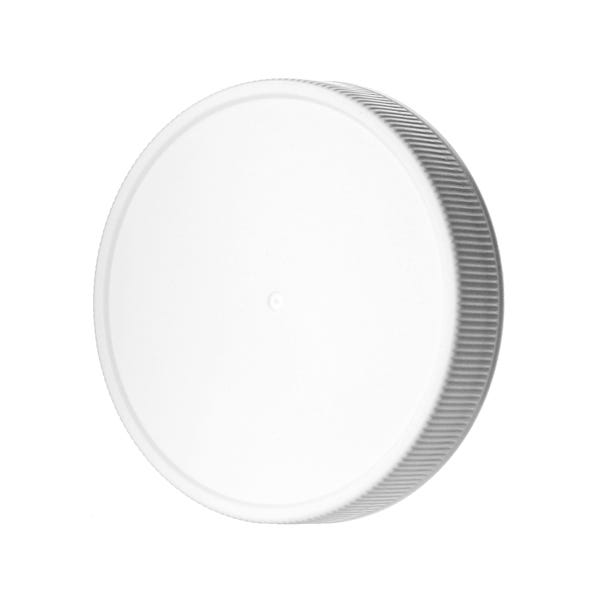
-
 64oz Clear PET Canister WIde Mouth Round - 100-400 NeckCLOSURE OPTIONS


 $1.19 (PER PIECE)48 PIECES PER CARTON$57.12 (Per Carton)
-
 6oz (180) Flint (Clear) Cream Round Glass Jar - 63-405 NeckCLOSURE OPTIONS
-
 16oz (480ml) Flint Glass Sample Round Jar - 70-405 NeckCLOSURE OPTIONS
 $0.93 (PER PIECE)48 PIECES PER CARTON$44.86 (Per Carton)


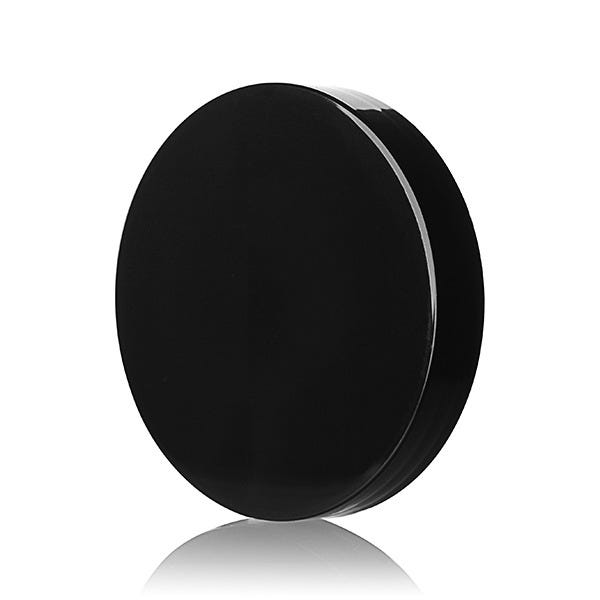



The first major decision you have to make when choosing the perfect peanut butter jar is whether you want to go with glass or plastic. Glass peanut butter jars are always an attractive item on store shelves, as they add a touch of class and sophistication to your product. In addition, glass jars are 100% recyclable, reducing your company’s impact on the environment.
On the other hand, plastic peanut butter jars have become highly popular over the years. Due to the durable plastic construction, these jars can cut down on product loss from broken or cracked jars during the shipping process. Plastic peanut butter jars are also more lightweight, saving you money on shipping costs.
Interested in a plastic peanut butter jar? Look no further than our 16 oz clear PET peanut butter smooth bottom round plastic jars. These containers are American-made with recyclable PET plastic that’s BPA-free, making it an entirely food-safe option. This peanut butter jar has a wide mouth for easy access, and the clear plastic design makes it easy for your customers to admire the color and texture of your peanut butter before they buy it.
Looking for a glass peanut butter jar? You might enjoy our 8 oz flint straight-sided cream glass jars. The straight sides make this an excellent choice for your labeling needs, and we offer 13 different types of closures. In addition, the 70-millimeter mouth diameter is wide enough to easily work in your manufacturing process. All of these glass jars come with our intact-on-arrival guarantee, which promises to replace any broken jars or closures at no additional cost.
If you’re interested in purchasing empty peanut butter jars in bulk, contact BottleStore.com and ask about our generous wholesale discounts. We can also help you choose the perfect peanut butter jar sizes for your needs, and send you free samples of your chosen containers and closures so you can try them before you buy in bulk.
Our expert representatives can also discuss your labeling needs with you to help you find a jar that’s compatible with the size and shape of labels your business uses. No matter what your specific needs are for peanut butter and nut butter jars, BottleStore.com has the solutions you’re looking for.
Why is peanut butter sold in plastic jars instead of glass?
The shift from glass to plastic peanut butter jars happened in 1988 when major brands like Jif, Skippy, and Peter Pan made the switch to PET (polyethylene terephthalate) plastic containers. This change was driven by several practical advantages that benefited both manufacturers and consumers.
From a business perspective, plastic jars are significantly lighter than glass, reducing transportation costs and environmental impact during shipping. They're also cheaper to produce, helping companies maintain competitive pricing while improving profit margins.
For consumers, the safety factor proved compelling. Parents especially appreciated that plastic jars wouldn't shatter if dropped, eliminating the risk of broken glass in kitchens where children frequently make sandwiches. Plastic containers are also more durable and less likely to crack or break during handling.
The wide-mouth design of modern plastic peanut butter jars makes scooping easier, and their lightweight construction means they're simpler for everyone to handle, from young children to elderly adults. While some health-conscious consumers now prefer glass jars due to concerns about plastic leaching, the industry standard remains plastic for its combination of safety, cost-effectiveness, and convenience.
What's the shelf life of peanut butter?
The shelf life of peanut butter depends on whether the jar is opened and how it's stored. Unopened jars typically last 6-9 months when stored in a cool, dry pantry. Once opened, conventional peanut butter with stabilizers remains good for 2-3 months at room temperature. However, always check the "Best By" date printed on the lid, as this provides the most accurate guidance for each specific product.
Natural peanut butter, which contains only peanuts and salt without preservatives, has a shorter shelf life and should be refrigerated after opening. Refrigeration extends the life of any peanut butter, keeping it fresh longer and preventing oil separation, though it does make spreading more difficult.
Signs that peanut butter has gone bad include a rancid or sour smell, changes in color or texture, or visible mold growth. The high oil content in peanuts means the product can eventually turn rancid, even if it looks normal.
For maximum freshness, store peanut butter in a cool location away from heat and direct sunlight. Some people store jars upside down to keep the oils distributed evenly throughout the product, which helps maintain consistency and quality.
Why does oil separate and pool on top of peanut butter?
Oil separation in peanut butter is a natural process that occurs when peanut oils rise to the surface during storage. When peanuts are ground into butter, they release their natural oils, which create the smooth, creamy texture we enjoy. However, these oils are lighter than the solid peanut particles, causing them to gradually separate and float to the top, especially when the jar sits at room temperature for extended periods.
This separation is most common in natural and organic peanut butters that don't contain stabilizers or emulsifiers. Conventional peanut butter brands often add ingredients like palm oil or hydrogenated oils to prevent separation and maintain a consistent texture throughout the product's shelf life.
While it might be tempting to pour off the pooled oil, this would leave you with dry, difficult-to-spread peanut butter. Instead, thoroughly stir the oil back into the butter until fully incorporated. A helpful trick is to store your peanut butter jar upside down, which causes the oil to rise to what becomes the bottom of the jar. When you flip it right-side up to use it, the oil is already distributed throughout the product, making stirring easier and ensuring a creamier, more consistent texture.
Should peanut butter be refrigerated?
Whether to refrigerate peanut butter depends on the type you're using and your personal preferences. Conventional peanut butter brands with added stabilizers and preservatives can safely be stored in the pantry after opening, typically lasting 2-3 months at room temperature without spoiling.
However, natural and organic peanut butters that contain only peanuts and salt should be refrigerated after opening. Without preservatives, these varieties are more susceptible to rancidity and benefit from cold storage to extend their freshness.
Refrigeration offers several advantages for any peanut butter: it significantly extends shelf life, prevents oil separation, and keeps the product fresher longer. The main drawback is that cold peanut butter becomes quite firm and difficult to spread, especially straight from the refrigerator.
Many people find a compromise works well—store natural peanut butter in the fridge but remove it 10-15 minutes before using to allow it to soften slightly. Others keep frequently used jars in the pantry and consume them quickly while refrigerating backup jars.
Ultimately, the decision comes down to balancing convenience with freshness. Check your product label for manufacturer recommendations, and always discard peanut butter that develops an off smell, unusual texture, or visible mold.
Are plastic peanut butter jars safe, or should I choose glass?
Most peanut butter jars are made from PET (polyethylene terephthalate) plastic, which is FDA-approved, BPA-free, and considered safe for food storage by regulatory agencies. Major brands have used PET plastic since 1988 without documented widespread health issues, and manufacturers must meet strict food safety standards.
However, some health-conscious consumers prefer glass jars due to concerns about potential chemical leaching from plastic into fatty foods like peanut butter. Oils can theoretically absorb trace amounts of plastic compounds, though research on the actual health impact remains debated. The cumulative effect of exposure to various plastics in everyday life has also raised questions among advocates.
Glass jars offer peace of mind for those concerned about plastic contact with food. They're completely inert, won't leach chemicals, and are infinitely recyclable. Many organic and natural peanut butter brands package their products in glass, making this option increasingly available.
The choice ultimately depends on your priorities. If you're concerned about minimizing plastic exposure, especially for children, glass jars are the safer choice. If convenience, cost, and breakage prevention matter most, PET plastic jars remain a practical option. Consider buying from brands that use glass packaging or making your own peanut butter at home in glass containers.
What sizes do peanut butter jars come in?
Peanut butter jars are available in a variety of sizes to accommodate different household needs and usage patterns. The most common size found in grocery stores is the 16-ounce jar, which has become the industry standard for retail peanut butter products. This size offers a good balance between value and convenience for typical family consumption.
For smaller households or those wanting to try new brands, 12-ounce jars provide a more compact option. Larger families or bulk buyers can opt for 28-ounce, 32-ounce, or even 40-ounce containers, which offer better value per ounce and require less frequent shopping trips.
Specialty and natural peanut butter brands often use smaller glass jars, typically in the 15-18 ounce range, while commercial plastic jars come in the traditional peanut butter jar shape with wide 70mm mouth openings that make scooping easy.
Single-serve containers are also available in 1-2 ounce sizes, perfect for packed lunches or on-the-go snacking. Food service operations can purchase bulk containers ranging from 5 pounds up to commercial-size buckets. When selecting a size, consider your household's consumption rate and storage space to minimize waste and maintain freshness.
Can peanut butter jars be recycled or reused?
Yes, peanut butter jars can be both recycled and reused, making them an environmentally friendly packaging option. Glass peanut butter jars are 100% recyclable and can be processed infinitely without losing quality. Plastic peanut butter jars, typically made from PET (polyethylene terephthalate), are also recyclable wherever PET plastic is accepted.
To prepare jars for recycling, remove as much peanut butter as possible using a spatula, then fill the jar one-third full with warm soapy water. Replace the lid, shake vigorously for about 20 seconds, drain, and rinse. This simple process removes the sticky residue that can contaminate other recyclables.
Beyond recycling, empty peanut butter jars are incredibly versatile for reuse around the home. Their airtight seals and wide mouths make them ideal for storing dry goods like rice, beans, flour, or craft supplies. Popular DIY projects include creating piggy banks by cutting a slot in the lid, making planters for herbs or succulents, organizing hardware like screws and nails, or crafting decorative storage containers with painted lids.
The durable construction and oxygen barrier properties of peanut butter jars make them particularly useful for long-term storage, helping reduce waste while providing practical household solutions.
What is the foil seal under the peanut butter jar lid, and why is it there?
The foil seal under a peanut butter jar lid is called a heat induction seal, a protective barrier that serves multiple critical functions for product safety and quality. This metallic liner is applied using an electromagnetic induction sealing machine that bonds the foil directly to the jar's rim, creating an airtight, tamper-evident seal.
The primary purposes of this seal are threefold. First, it provides tamper evidence—the seal must be completely removed before accessing the product, giving consumers instant confidence that no one has opened or contaminated the peanut butter. If the seal is broken, damaged, or missing, consumers should not purchase or use the product.
Second, the seal extends shelf life by creating a moisture and oxygen barrier that keeps peanut butter fresh and prevents rancidity. This airtight protection is especially important for natural peanut butters without preservatives.
Third, it prevents leakage during shipping and handling, ensuring the product arrives in perfect condition. The seal also helps maintain the peanut butter's texture and flavor by protecting it from environmental factors.
When you open a new jar, simply peel back the entire foil seal before use. This safety feature has become standard across the food industry for products requiring maximum freshness protection.


