


Glass Vials
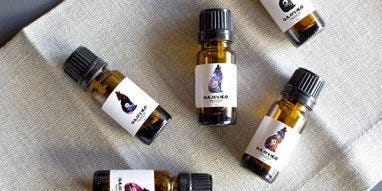
Glass vials are an ideal storage container for small quantity liquid storage, common in laboratory, essential oil storage, and medical use. Each of our glass vials come with matching plastic or phenolic caps to provide a maximum seal. Bottlestore.com maintains an inventory of top quality glass vials in all shapes and sizes to meet the needs of various applications, both commercial and domestic. If you cannot find what you are looking for, call us at 866.BUY.BTLS.
-
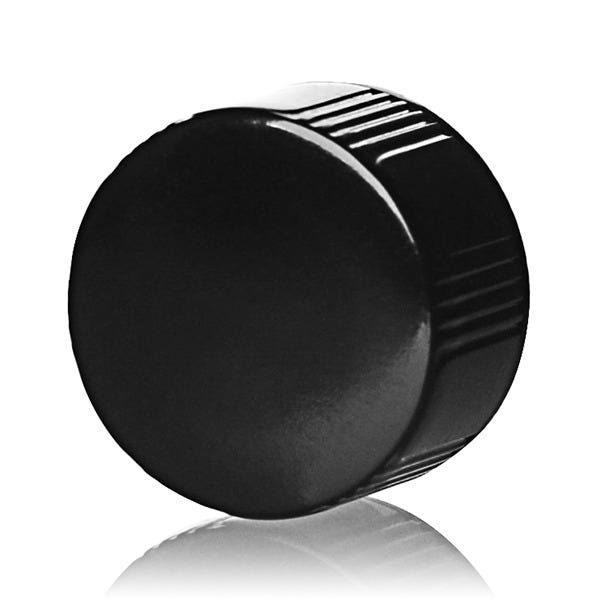
 4 Dram (14.78ml) Flint (Clear) Round Glass Vial - 18-400 NeckCLOSURE OPTIONS


-
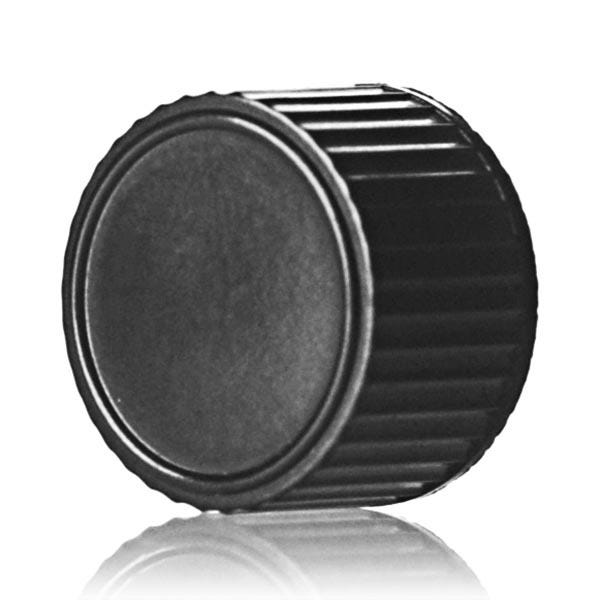
 3 Dram (11ml) Flint (Clear) Round Glass Vial - 15-425 NeckCLOSURE OPTIONS
Glass vials are the perfect container solution for health and beauty products, essential oils, medicines and laboratory use. We stock everything from tiny glass vials in 1 dram sizes to larger 6 dram round glass vials, each with a variety of neck sizes and finishes suitable for your manufacturing needs. Glass vials are available in clear glass or amber color to protect the integrity of what’s inside.
Glass vials with cork or functional caps are always available at Bottlestore.com. Many of our caps are dispenser-friendly, offering droppers, pipettes, and other dispensing mechanisms for your liquids. They are the ideal solution for medications and oils which need exact dosage-dispensing capabilities. We also offer screw cap glass vials to ensure your products are well protected after the manufacturing process is complete.
For laboratory use, our glass vials are durable enough to be reused and can hold a number of different types of liquids, pills, and powders. Made of high-quality soda lime glass, our inventory of laboratory and medical glass vials is highly recyclable and can withstand temperatures over 200 degrees Celsius. Their durability makes them a solid choice for various sterilization processes.
If you are looking for a quality selection of glass vials, speak with our Bottlestore.com packaging experts about wholesale pricing and bulk orders. If you are not sure which glass vial size you need for your essential oils or other products, ask our experienced team members for assistance. We’ll even ship a free sample of your preferred glass vial size so you can see it in person before making a buying decision.
Glass Vials - Top 5 Most Commonly Asked Questions
1. What are glass vials used for?
Glass vials are small, cylindrical containers used to store, protect, and dispense liquids or powders that require a chemically stable, non-reactive environment. They are most commonly used in pharmaceuticals, healthcare, laboratories, cosmetics, nutraceuticals, fragrances, and specialty chemical applications. In medical and life science settings, glass vials are essential for injectable drugs, vaccines, biologics, and diagnostic reagents because glass does not interact with sensitive formulations.
Outside of healthcare, glass vials are widely used for essential oils, serums, tinctures, perfumes, and cosmetic concentrates where purity and shelf stability are important. Laboratories rely on glass vials for sample storage and analytical testing due to their clarity, heat resistance, and chemical inertness.
A key advantage of glass vials is their impermeability. Glass prevents oxygen and moisture transfer and does not absorb or leach compounds into the product. This helps preserve product potency, accuracy, and shelf life. Available in a wide range of sizes, colors, and closure options, glass vials are used across regulated and consumer markets where product integrity is critical.
2. What types of glass are used to make vials?
Glass vials are typically made from three standardized types of glass: Type I, Type II, and Type III. These classifications are based on chemical resistance and are widely recognized in pharmaceutical and laboratory industries.
Type I glass, also known as borosilicate glass, offers the highest chemical resistance. It withstands extreme temperatures and resists reactions with acids, alkalis, and solvents. Because of this, Type I glass is commonly used for injectable drugs, vaccines, and biologics.
Type II glass is soda-lime glass that has been surface-treated to improve its chemical resistance. It is often used for acidic or neutral aqueous products such as oral medications and diagnostic solutions. While not as inert as Type I, it provides reliable performance at a lower cost.
Type III glass is standard soda-lime glass with the lowest chemical resistance. It is generally used for dry powders, oral solids, cosmetic samples, and non-aqueous products where interaction risk is minimal.
Selecting the appropriate glass type helps ensure product stability, safety, and compliance over the product’s intended shelf life.
3. Are glass vials better than plastic vials?
Glass vials are often preferred over plastic vials when chemical stability, purity, and long-term protection are essential. Glass is non-porous and chemically inert, meaning it does not absorb ingredients, leach additives, or allow oxygen or moisture to permeate the container. These properties make glass vials the standard choice for pharmaceuticals, injectables, and sensitive laboratory materials.
Plastic vials, typically made from polypropylene or polyethylene, offer advantages such as impact resistance, lighter weight, and lower shipping costs. They are less prone to breakage and may be suitable for short-term storage, field use, or non-reactive products.
However, plastic can allow some gas permeability and may interact with certain solvents or active compounds over time. For this reason, regulatory agencies often require glass vials for injectable medications and stability-sensitive formulations. Glass also tolerates higher temperatures, making it compatible with sterilization processes such as autoclaving.
In general, glass vials are better suited for high-value or regulated applications, while plastic vials may be appropriate for cost-sensitive or durability-focused use cases.
4. What closure options are available for glass vials?
Glass vials are compatible with several closure systems designed to meet different sealing, access, and sterility requirements. The most common options include rubber stoppers with aluminum crimp seals, flip-off caps, screw caps, and snap caps.
Rubber stoppers with crimped aluminum seals are widely used in pharmaceutical and medical applications, particularly for injectable products. These closures provide a secure, airtight seal while allowing needle access without removing the stopper. Flip-off caps add tamper evidence and protect the stopper prior to use.
Screw caps are commonly used for laboratory, cosmetic, nutraceutical, and fragrance vials. They allow repeated opening and closing and are available with liners such as PTFE, foam, or rubber to enhance sealing performance. Snap caps or press-fit closures are often used for sample vials or short-term storage where convenience is prioritized.
Choosing the right closure is essential to maintaining product integrity, preventing contamination, and supporting proper handling throughout the product’s lifecycle.
5. How do I choose the right glass vial for my application?
Choosing the right glass vial depends on the product’s formulation, storage conditions, and regulatory requirements. The first consideration is chemical compatibility. Sensitive liquids, injectables, and biologics typically require Type I borosilicate glass, while less reactive products may be suitable for Type II or Type III glass.
Volume and dimensions are also important. Vials must accommodate the intended fill volume while allowing appropriate headspace. Neck finish and closure compatibility should be confirmed to ensure proper sealing and ease of use.
For pharmaceutical and medical applications, compliance with standards such as USP or EP may be required, along with compatibility with sterilization methods like autoclaving. Cosmetic and nutraceutical brands may also consider clarity, color, and overall presentation.
Environmental factors such as light exposure, temperature changes, and transportation conditions can influence vial selection. Amber glass is often used for light-sensitive products. Selecting the right glass vial helps ensure product stability, safety, and consistent performance from manufacturing through end use.


