




Cider

Premium Packaging for Fresh Pressed Craft Cider

It’s impossible to deny the popularity of ciders in the modern beverage world. Alcoholic hard ciders have claimed a significant role in the craft beverage scene, offering some welcome options to consumers who don’t enjoy beer. In addition, fresh apple cider is always a hit, as you can find plenty of these drinks on the shelves of any grocery store or gas station fridge.

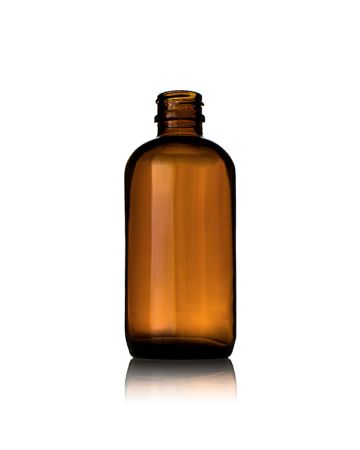
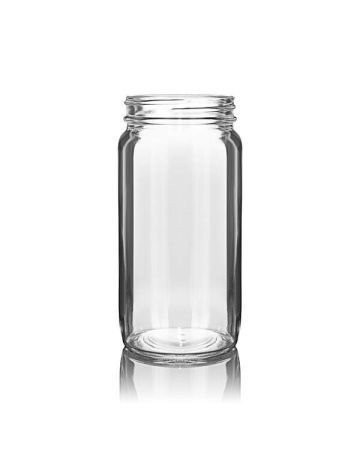
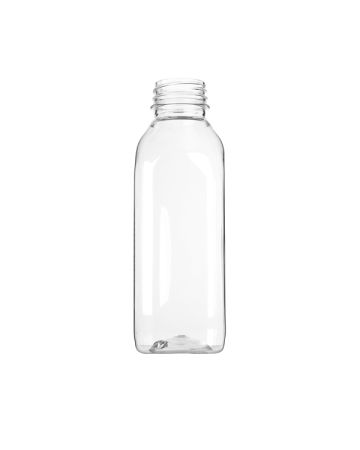
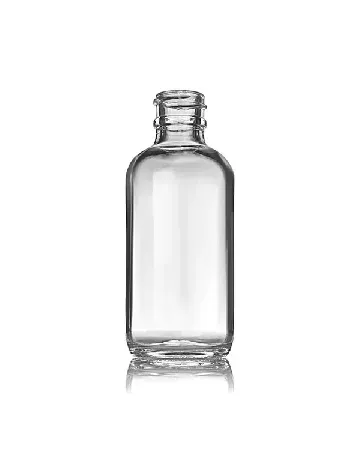
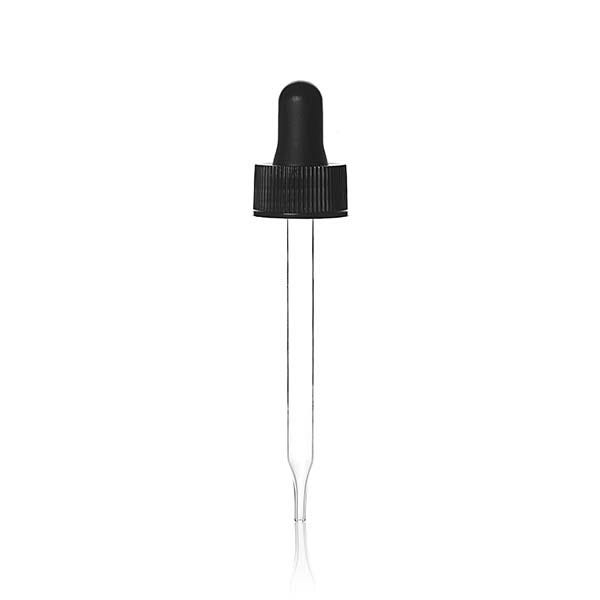
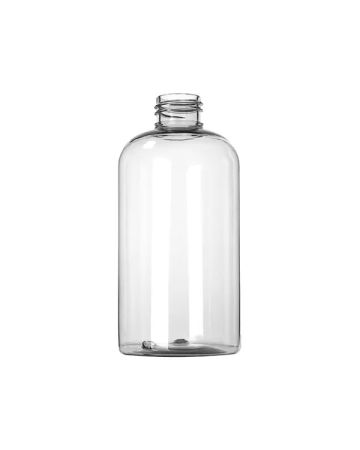
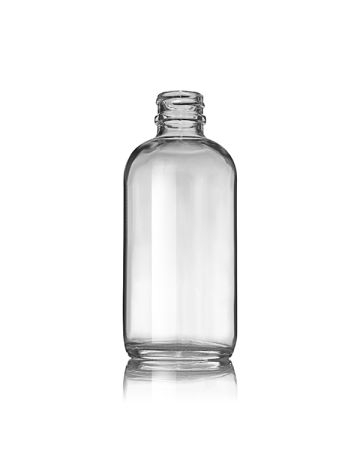
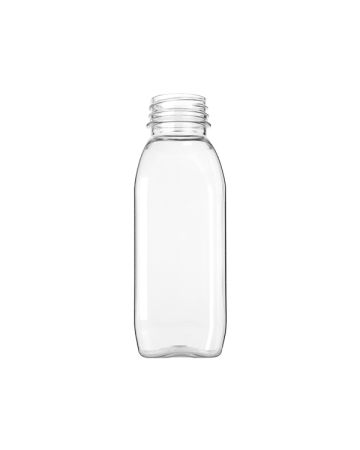
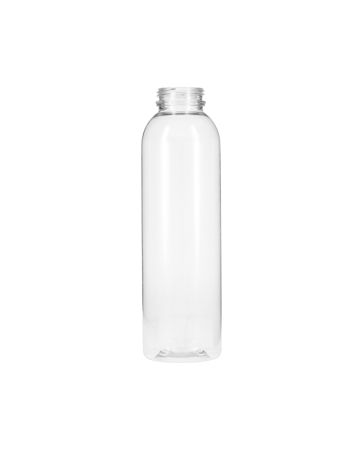
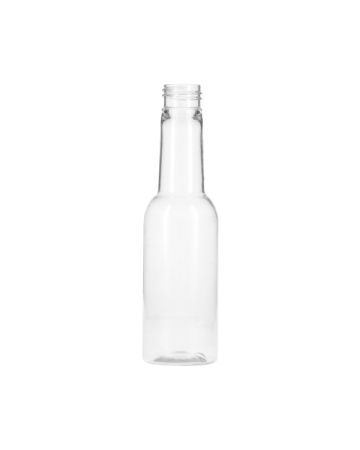
Whether the cider you produce is “hard” or not, you need to find the right bottles to package it in. Thankfully, BottleStore.com can help. We have many styles and sizes of drink bottles that can satisfy whatever specific needs you have for your cider. Whether you choose the elegance of glass cider bottles, or if you prefer the budget-friendly durability of plastic containers, we can help you find the perfect option.

per page
Set Descending Direction
per page
Set Descending Direction

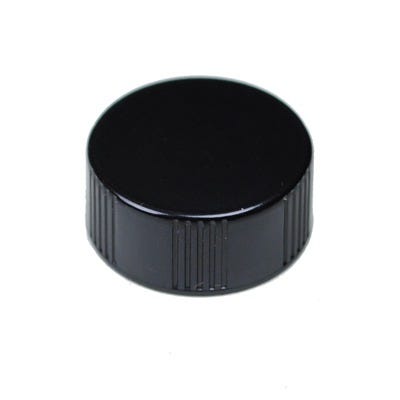
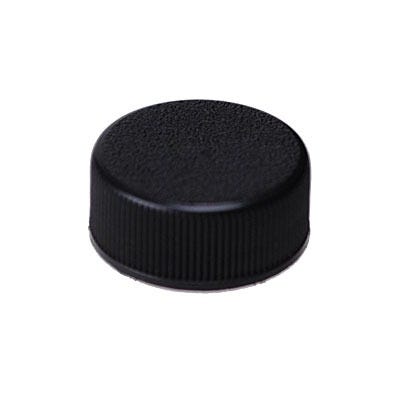
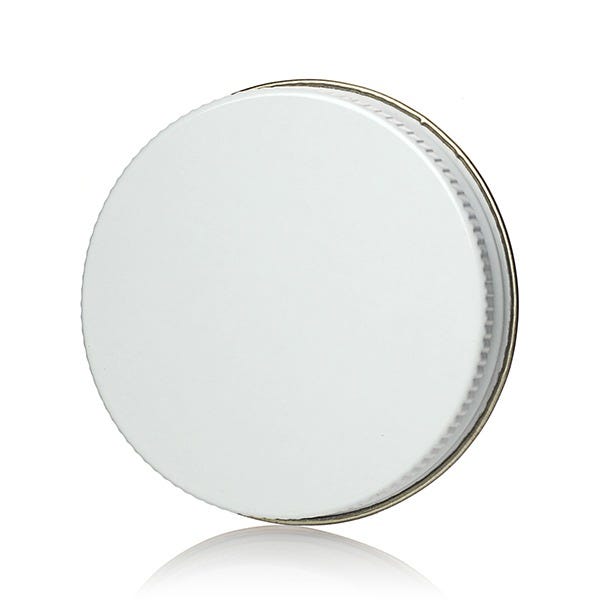
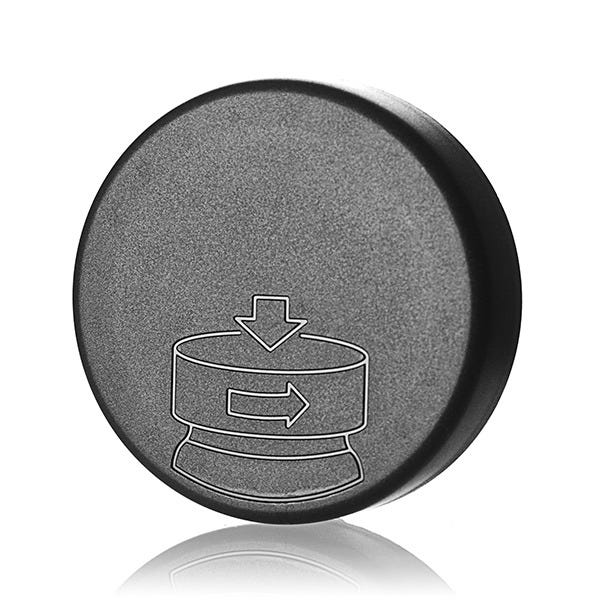
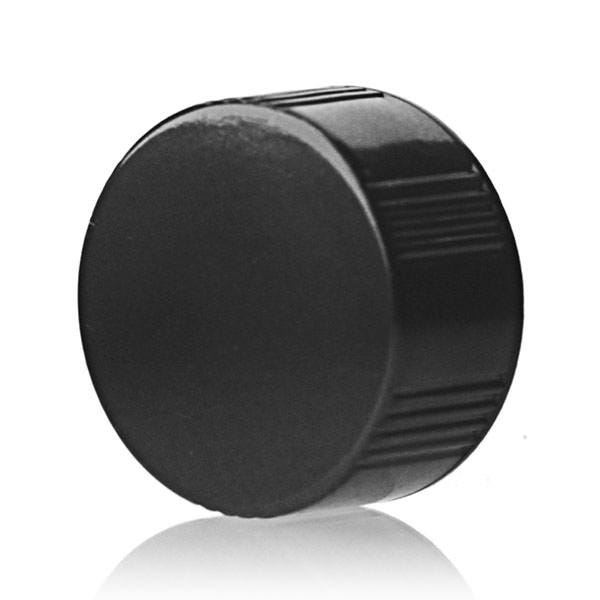
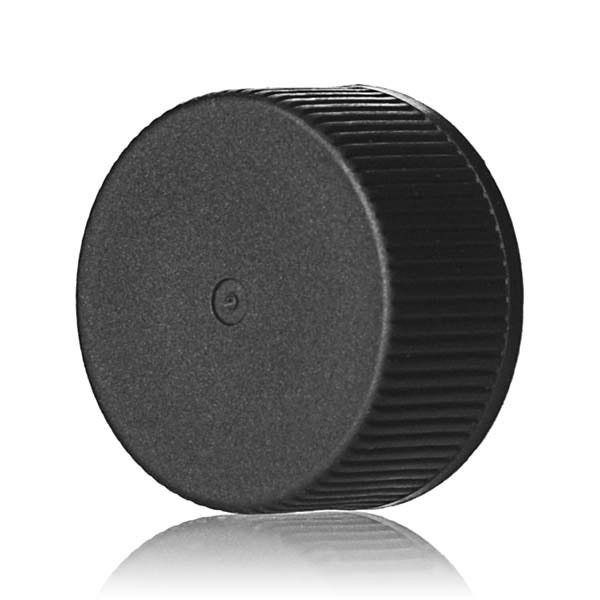
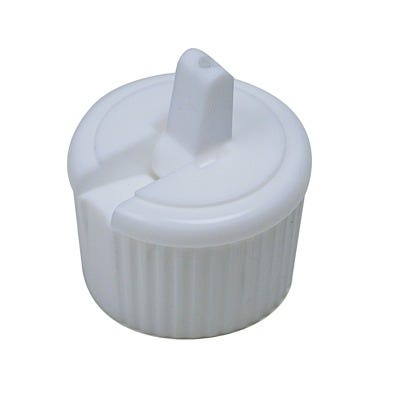
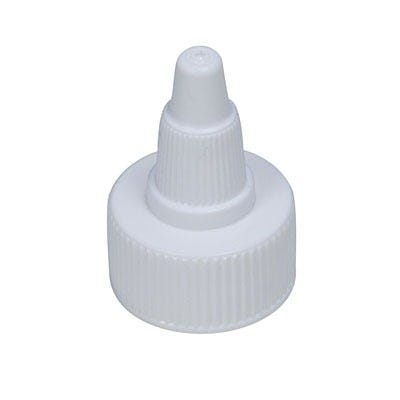
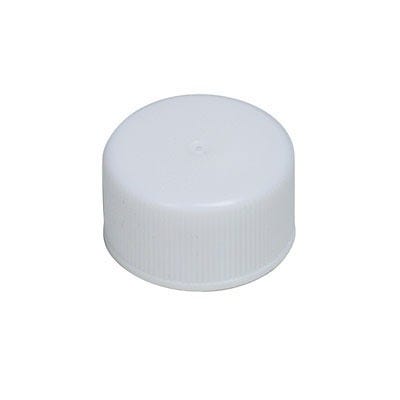
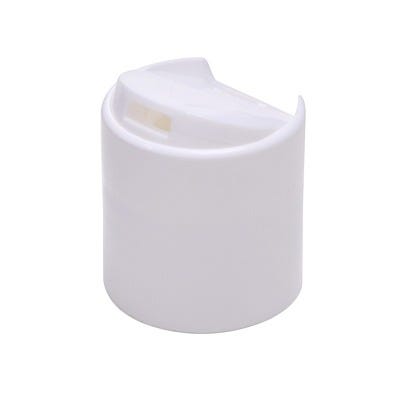
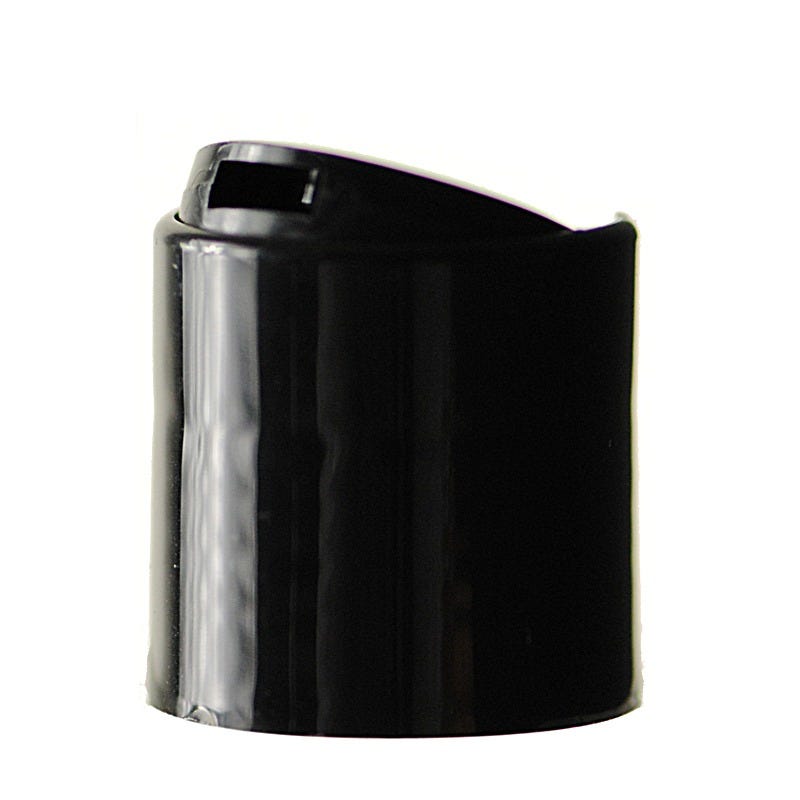
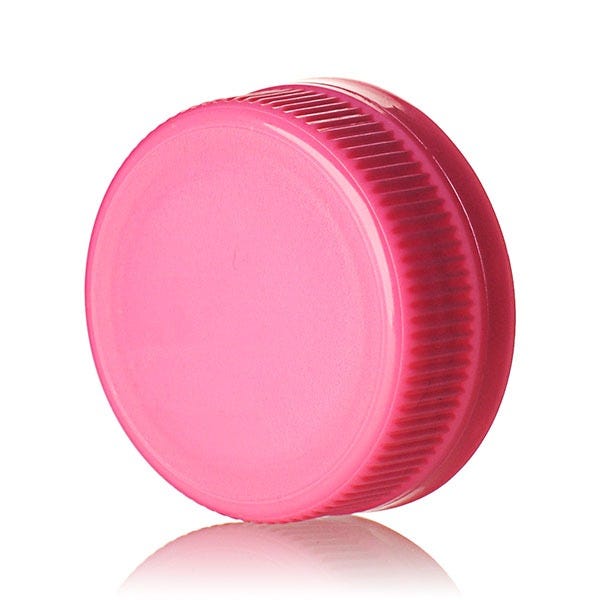
Regardless of whether you prefer glass or plastic, our clear bottles enable consumers to admire the rich coloring of your cider before they ever open the bottle. We also provide a large selection of caps and lids to provide an air-tight seal. Our plastic and metal threaded caps are great options to keep your cider safe and fresh.

We can also provide as few or as many bottles as you’d like to purchase. If you just need a few bottles, you can purchase a single carton, which includes as few as six individual containers. Or, if you’re looking to produce your cider for retail sale, we provide discounts on high-volume orders.

Finally, we also offer labeling solutions to help you with branding, or to inform customers about the details of your cider products. If you would like to get more information on labeling, contact one of our BottleStore.com expert representatives today. We’re confident that we can provide solutions for cider-making operations of all kinds, even if you’re just producing cider for your own personal enjoyment.


Glass Bottles vs. Aluminum Cans: Which Should I Choose for Cider Packaging?

The choice between glass bottles and aluminum cans for cider packaging depends on your brand positioning, target market, and distribution strategy.

Glass bottles convey premium quality and tradition, making them ideal for craft cideries positioning themselves as artisanal producers. Glass is infinitely recyclable without quality loss and resonates with consumers who associate it with heritage and quality. However, glass is heavier, increasing shipping costs and transportation emissions, and more fragile during handling.

Aluminum cans offer practical advantages: they’re lighter, more portable, and chill faster. Cans appeal to younger, eco-conscious consumers who perceive them as innovative and environmentally friendly due to high recyclability rates. They’re also more durable for outdoor events and festivals. The growing craft beer movement has helped elevate cans beyond their “cheap beer” stigma.

Consider your audience: If targeting traditional cider enthusiasts or premium markets, glass reinforces perceived value. For younger consumers, outdoor venues, or casual consumption occasions, cans provide convenience and modern appeal.

Many successful cideries use both formats strategically—glass for flagship products and special releases, cans for everyday drinking and seasonal varieties. Your decision should align with your brand story and where your cider will be consumed.

What Are the Labeling and Regulatory Requirements for Cider Packaging?

Cider labeling requirements depend on alcohol content and distribution scope, with oversight from both the FDA and TTB (Alcohol and Tobacco Tax and Trade Bureau).

Alcohol content determines your path: Cider under 7% ABV sold within your state follows FDA food labeling regulations, while cider over 7% ABV crossing state lines requires both FDA and TTB compliance.

Required label elements typically include:

  • Alcohol by volume (ABV) percentage
  • Net content statement in metric units (for beverages over 7% ABV)
  • Brand name and product identity
  • Government health warning about alcohol consumption
  • Producer/bottler information
  • Sulfite declaration if present above 10 ppm

Certificate of Label Approval (COLA): Before shipping across state lines, producers must obtain TTB approval through the online COLAs portal. For in-state sales only, you may qualify for an exemption using TTB Form 5100.31.

Type size matters: Containers 187ml or smaller require minimum 1mm type, while larger containers need 2mm minimum for mandatory information.

The complexity stems from overlapping federal regulations. Many producers consult beverage attorneys or labeling specialists to help ensure compliance before printing, as non-compliant labels can delay product launches and create costly reprints.

What Size and Format Cider Packaging Should I Use?

Choosing the right cider packaging size and format requires balancing consumer preferences, retail logistics, and competitive positioning.

Common formats include:

  • 12 oz cans (standard beer size, familiar to consumers)
  • 16 oz “tallboy” cans (popular in the craft beer market)
  • 355ml and 473ml cans (metric alternatives)
  • 750ml bottles (premium positioning, wine-like presentation)
  • 500ml bottles (European-style, artisanal appeal)

Strategic considerations: Your format affects shelf placement and price comparison with competitors. If retailers position you next to major cider brands, matching their format can help with side-by-side comparisons; if placed near premium imports, a 750ml bottle may better communicate quality.

Logistical realities matter: Distributors and retailers prefer standard footprints for efficient case stacking, so highly unique bottle shapes may create operational challenges despite shelf appeal.

Packaging strategy: Consider your service model—if you typically pour 12 oz servings in your taproom, that size creates consistency across on-premise and retail channels. Many cideries offer multiple formats: cans for everyday drinking and outdoor events, larger bottles for premium releases and special occasions.

Test your market with smaller production runs before committing to large inventory purchases, and remember that your packaging communicates your brand positioning before customers taste a single drop.

How Can My Cider Packaging Stand Out on the Shelf?

Standing out in crowded beverage aisles requires strategic packaging design that captures attention instantly while communicating your brand story.

Visual impact is critical: Consumers narrow their choices quickly at the shelf, so your package needs to earn attention fast and keep it long enough to communicate what makes your cider worth trying.

Design elements that differentiate include:

  • Die-cut labels with unique shapes or curves
  • Finish choices: matte for earthy, handcrafted appeal; gloss for vibrant color; foil accents for premium positioning
  • Waterproof BOPP materials for chilled environments
  • Consistent label architecture across flavors with distinctive color coding

Beyond the label, consider case stacker displays and point-of-purchase materials that stop shoppers and guide them to your product. Digital printing can also support low-volume seasonal releases and limited editions, helping you keep your brand fresh without expensive plate costs.

Balance is essential: Your design must stand out while clearly communicating product information and maintaining legibility for required regulatory text. Successful cider brands tell their story visually—whether emphasizing orchard heritage, craft innovation, or outdoor lifestyle—so the package itself becomes a reason to choose your cider over competing options.

What Equipment and Pasteurization Do I Need for Cider?

Packaging cider requires specialized equipment beyond what many beverage producers anticipate, with pasteurization often being a critical safety step.

Essential equipment may include:

  • Canning or bottling line
  • Mobile canning services (a cost-effective alternative if available in your region)
  • Pasteurization equipment (to help prevent refermentation after packaging)
  • Bottle cappers: winged cappers for small batches or bench cappers for higher-volume production

Why pasteurization matters: Cider can continue fermenting after packaging if not stabilized properly, which can create excess pressure over time. Producers often use pasteurization and/or other stabilization methods appropriate to their process to help protect product quality and reduce risk during distribution.

Scale-appropriate decisions: Home cider makers can start with manual cappers and small-batch equipment. Commercial producers often weigh purchasing equipment versus outsourcing through mobile canning services or co-packing facilities.

Additional considerations include press equipment, filtration systems, quality control tools, storage space for cases, clean environment requirements, and strong sanitation protocols to support consistent results.

Many new cideries begin with draft-only sales or mobile canning services before investing in permanent packaging lines, allowing revenue generation while building toward full-scale packaged distribution.